Bodycam Aimbot Features
In BODYCAM, aiming is a major part of every encounter. Its close-range firefights, unpredictable engagements and tactical environments make aiming one of the most interesting aspects of the game to explore.
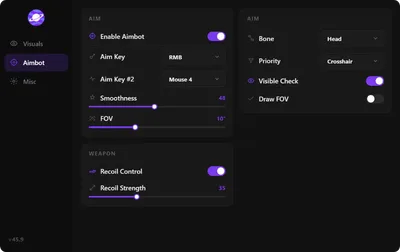
The Bodycam aimbot feature collection brings together several targeting options in one interface. From head and chest targeting to FOV controls, aim lines and additional aiming functions, there is a substantial selection of features to discover.
This guide takes a closer look at the available Bodycam aimbot options, explains the different feature categories and covers the additional aiming and weapon settings included in the package.
Bodycam Aimbot Options
The aimbot category is one of the central parts of the Bodycam feature collection. It includes multiple options that give the aiming interface its range, with separate controls and functions listed in the available menu.
Head and chest targeting are both included, providing two distinct target-zone options. The FOV Circle and Aim Line add visual elements to the aiming interface, while the remaining functions expand the available selection.
Here is a look at the listed aiming features:
- Aimbot — Head / Chest
- FOV Circle
- Aim Line
- Silent Aim
- Magic Bullets
- Instant Kill
- Instant Aim
- No Aim Restrictions
FOV Circle, Target Selection and Aim Line
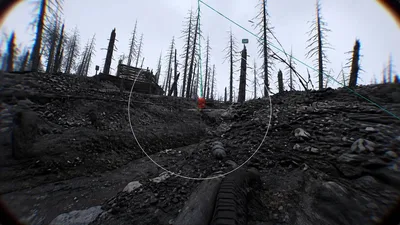
The FOV Circle is one of the recognizable elements of the aiming menu. FOV stands for Field of View, and the circle gives the aiming interface a visual reference around its center.
Target selection is another important part of the feature collection. The listed aimbot offers both head and chest options, giving the targeting category more than one selectable target zone.
The Aim Line provides another visual element within the interface. Together, the FOV Circle, Aim Line and targeting options make up some of the most distinctive entries in the Bodycam aimbot menu.
Silent Aim and Additional Aiming Features
Beyond the standard aiming entries, the feature list also includes Silent Aim, Magic Bullets, Instant Kill and Instant Aim.
These options give the aiming category several additional functions to explore. Instead of having a menu limited to a single targeting option, the available collection brings different aiming-related features together in one location.
The full feature menu is worth exploring when comparing the available options, particularly for players interested in the distinction between conventional targeting controls and the additional functions listed alongside them.
Bodycam Aimbot and Weapon Controls
Aiming is only one part of the overall feature collection. Several weapon-related settings are available separately, including No Recoil, Rapid Fire, Full Auto, Unlimited Ammo and God Mode.
Having these options in a separate category makes the overall interface easier to understand. Players researching the Bodycam aimbot can also explore the wider weapon feature collection to see which additional functions are listed.
The Bodycam homepage brings all the available categories together, while the dedicated ESP page covers the visual features in more detail.
Bodycam Aimbot System Requirements
The listed package supports Windows 10 and Windows 11. Its published requirements also specify a minimum of 8 GB RAM, a dedicated GPU and several Windows configuration settings.
HVCI, Core Isolation, TPM and Secure Boot are included in the stated configuration. Cloud DMA is required for full functionality on supported builds.
Reviewing the requirements before selecting an access plan helps provide a clearer picture of the intended system environment. Read the Bodycam cheat requirements guide for the full checklist.